Platform diagnosis
Interviews and an architecture review, using production data only where the agreed scope requires it. You leave with a calculated cost, a ranked list of fixes and clear priorities.
Ask about a diagnosisI'm an MLOps & Data Engineer with 9+ years designing big-data pipelines and AI infrastructure — so the systems your teams depend on run once, run right, and scale without rework.
Recent work: founded a big-data visualization platform for the Iranian market, and shipped an LLM assistant running RAG + MCP in production.
 Airflow
 Kubernetes
 Apache Doris
What I fix
I add monitoring, data-quality checks and anomaly detection to your pipelines, so failures surface in minutes — not in Monday's executive report.
Observability & anomaly detectionI consolidate sources into one governed analytical store with clear models and ownership, so every team reports from the same definitions.
Data platform architectureWhere freshness matters, I move workloads to streaming — event pipelines and incremental views that keep dashboards and features seconds behind reality.
Real-time streamingI build the MLOps path from notebook to production: reproducible training, containerized serving on Kubernetes, CI/CD and drift monitoring.
MLOps & model servingI prepare your knowledge for AI — clean ingestion, retrieval pipelines (RAG) and MCP tool access — so assistants answer from your data, with guardrails.
LLM & RAG systemsMy approach
I measure what a problem costs before proposing anything. If the savings won't cover the cost of fixing it, I say so and stop there.
I establish where the problem starts, what it affects and what it costs. You get the number and the method behind it.
I identify what actually drives the problem — architecture, workload, cost, data quality or process. Until the cause is clear, implementation is guesswork.
I measure the change on your data, in your environment. The result, the method and the code stay with you.
The entry point
Begin with a focused assessment of one costly problem. Expand only if the findings justify it.
Interviews and an architecture review, using production data only where the agreed scope requires it. You leave with a calculated cost, a ranked list of fixes and clear priorities.
Ask about a diagnosisOne process or one source, with a working proof built in your own cloud or cluster. You keep the result, the method and reusable code — with implementation included when the scope calls for it.
Ask about a pilotAbout
Data engineering and MLOps across a range of industries — from the first pipeline to AI in production.
 Ali Fazeli · Tehran
I'm skilled in data architecture, data modeling and ETL/ELT design, with deep Python and SQL expertise. I care about data quality and governance — making sure data stays reliable, consistent and secure long after the project is handed over.
 Python
 Bash
Apache Airflow
Kubernetes
 Docker
 RisingWave
 Redpanda
 Apache Hadoop
Apache Doris
Selected work
Products I founded and built end to end — from ingestion and modeling to the interface people actually use.
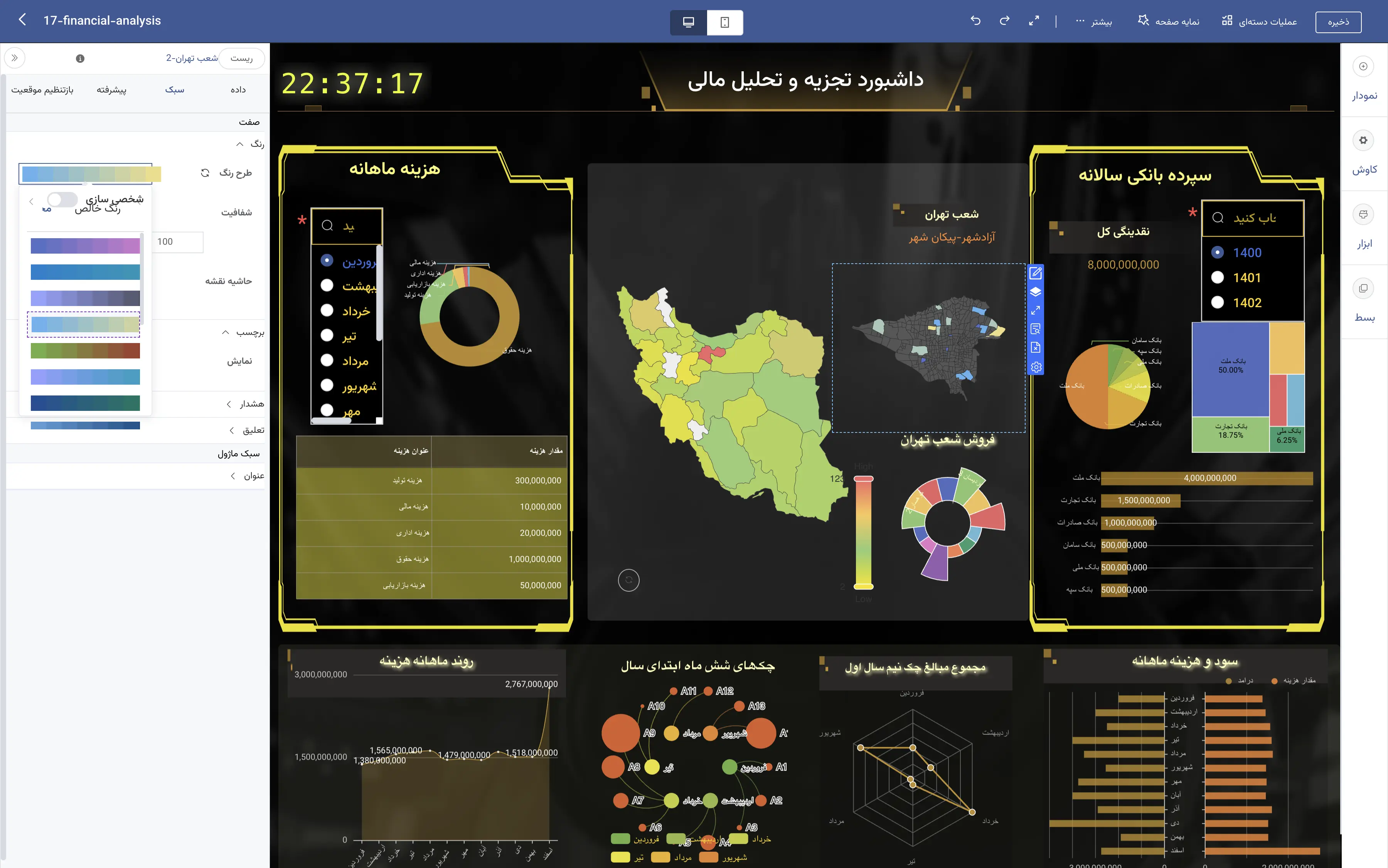 Big data · BI
Founded and built a BI platform tailored to the Iranian market: ingestion, an analytical warehouse and interactive dashboards on top.
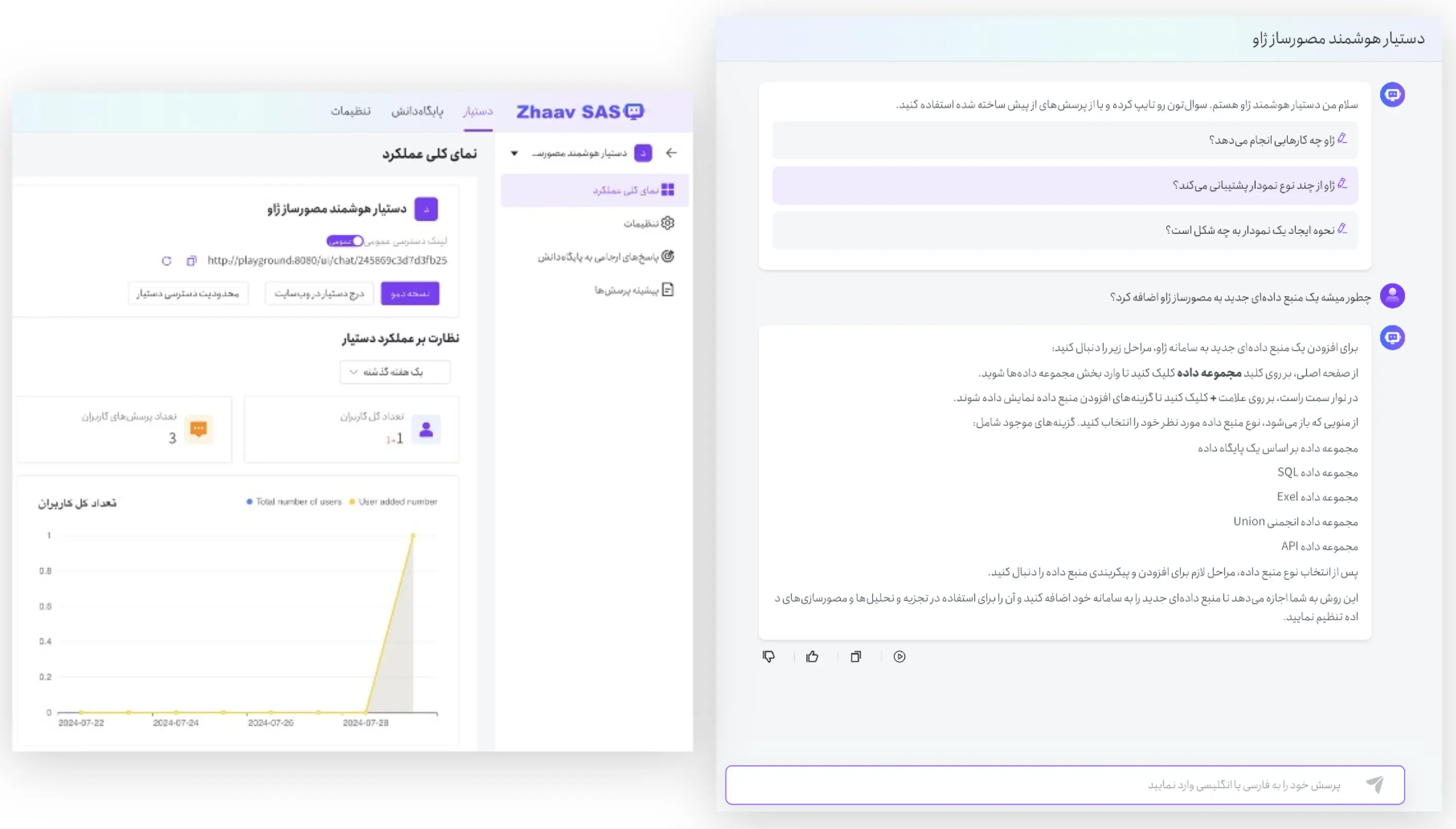 LLM · RAG · MCP
An assistant that combines LLMs with retrieval (RAG) and MCP tool access to deliver seamless, context-aware help grounded in real data.
Pipelines, tooling and experiments across data engineering, MLOps and LLM systems.
How I work
We start with a fixed-price assessment focused on one costly problem. After that, you decide whether the findings justify further work.
If the findings don't justify more work, I stop — rather than recommend work the evidence does not support.
Code, documentation and know-how stay with your team. When the scope includes implementation, the code lives in your repository.
It appears everywhere else in the business:
Engineering time spent babysitting pipelines, reconciling reports and fixing the same failures again.
Cloud and cluster spend that can't be clearly tied to workloads, owners or outcomes.
Late or wrong information that slows decisions, frustrates customers and erodes trust in every dashboard.
My work starts by exposing that hidden invoice.
Because the most expensive decision is the one nobody made.